The listing on Google Maps is often the first thing a client sees. Keep services, photos, hours and posts current.
Dog training marketing
Dog training marketing that turns searches into booked clients
Good trainers lose clients every week to slow replies, an old website and a thin Google profile. This guide to marketing for dog trainers covers the dog trainer marketing basics that bring in local inquiries and the follow-up that turns them into paying clients.
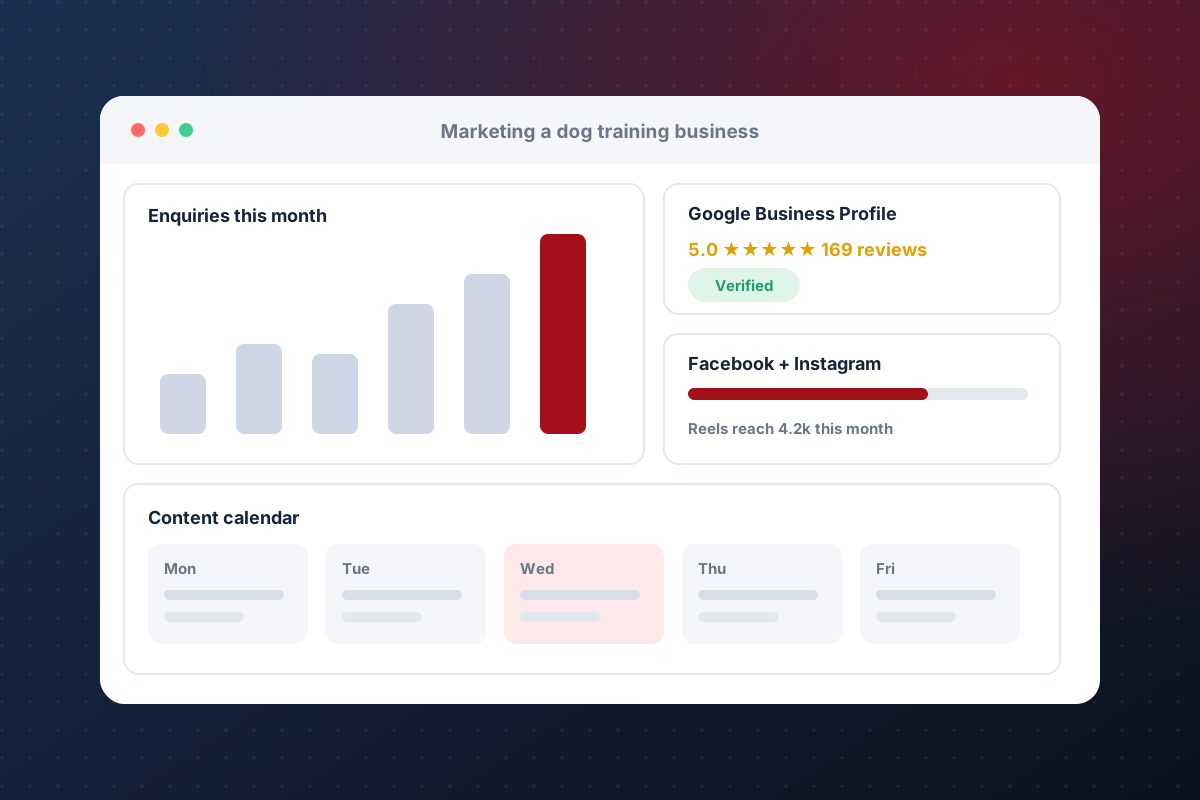
The core of dog trainer marketing
Six places inquiries come from, and what to do about each
You do not need to be everywhere. Get these right in this order.
A clear page for each service and each area you serve, with one obvious way to book a call.
Ask after every finished programme, make it a single tap, and reply to every review.
Reply to new inquiries in minutes, then follow up until they book or say no.
Reach former clients about refreshers, new programmes and openings.
Vets, groomers and boarding partners send clients to trainers they trust. Keep them informed.
Start with local search
Most people looking for a trainer search with a place in mind. Local SEO means your Google Business Profile and website clearly say what you teach and where. See how K9PN handles SEO for dog trainers.
Speed beats polish
A lead who inquires with three trainers usually hires the one who answers first. Missed-call text-back, an instant reply to new forms and a planned run of follow-up messages cost little and recover inquiries that would otherwise go cold. This is what a GoHighLevel setup for dog trainers automates.
Dog training advertising: where it fits
Paid dog training advertising, such as Google Ads for local searches or Facebook and Instagram ads for a specific programme, can fill a class or launch a new offer faster than organic search. It works best once your website, Google Business Profile and follow-up are already in place, because ads send people to a page that has to convert them. Start small, track the cost of each booked client and pause what does not pay for itself.
Digital marketing for dog training facilities
If you run a facility with classes, boarding or board-and-train, digital marketing covers the same core pieces on a larger scale: a page for each programme, a Google Business Profile for each location, reviews from every graduating client and a follow-up system so front-desk staff are not chasing every lead by hand. A shared CRM keeps the whole team working from the same list.
Should you start a pet care blog?
A blog is worth starting if you will keep it going. Short, useful posts about the problems your clients search for, such as puppy biting, leash pulling or how to choose a trainer, give Google more of your local expertise to find and give new clients a reason to trust you before they call. If you are wondering how to start a pet care blog for your dog training business, begin with five posts that answer the questions you hear most and link each one to the service it relates to.
Track what works
Write down where each lead came from and which ones booked. After a few months you will know which source is worth more of your time. A simple pipeline in your CRM does this for you.
Be honest about results
Marketing builds over weeks and months, and no one can promise a ranking or a number of leads. Plan for steady improvement and measure the booked clients, not the clicks.
Common questions
How do I get more dog training clients?
Make sure you can be found locally, reply to every inquiry fast, follow up until you get a yes or no, ask every finished client for a review and reach out to past clients regularly.
What is the best way to market a dog training business?
For most local trainers, a strong Google Business Profile, a website with a page for each service and area, reviews and fast follow-up bring the most booked clients for the effort.
Do I need a marketing agency?
Not necessarily. The basics can be done in-house. K9PN offers monthly plans from £190 if you want the website, CRM, SEO and content handled for you.
How long does dog training marketing take to work?
Follow-up changes help within days. Search and review improvements take weeks to months.
Is dog training advertising worth it?
It can be, once your website, Google Business Profile and follow-up are working. Paid ads send people to your site, so they work best when the site already turns visitors into inquiries. Track the cost of each booked client rather than the clicks.
What is digital marketing for dog trainers?
It is everything that helps clients find and choose you online: your Google Business Profile, website, local search, reviews, email and text follow-up, and any paid advertising. The use of digital marketing is to bring in local inquiries and turn them into booked clients.
Should I start a pet care blog for my dog training business?
It is a good long-term move if you will post regularly. Answer the questions clients search for, keep each post short and link it to the matching service page.
Related
Want a marketing plan that fits your market?
Book a call and K9PN will look at how clients find you today and what to fix first.
Book Now